
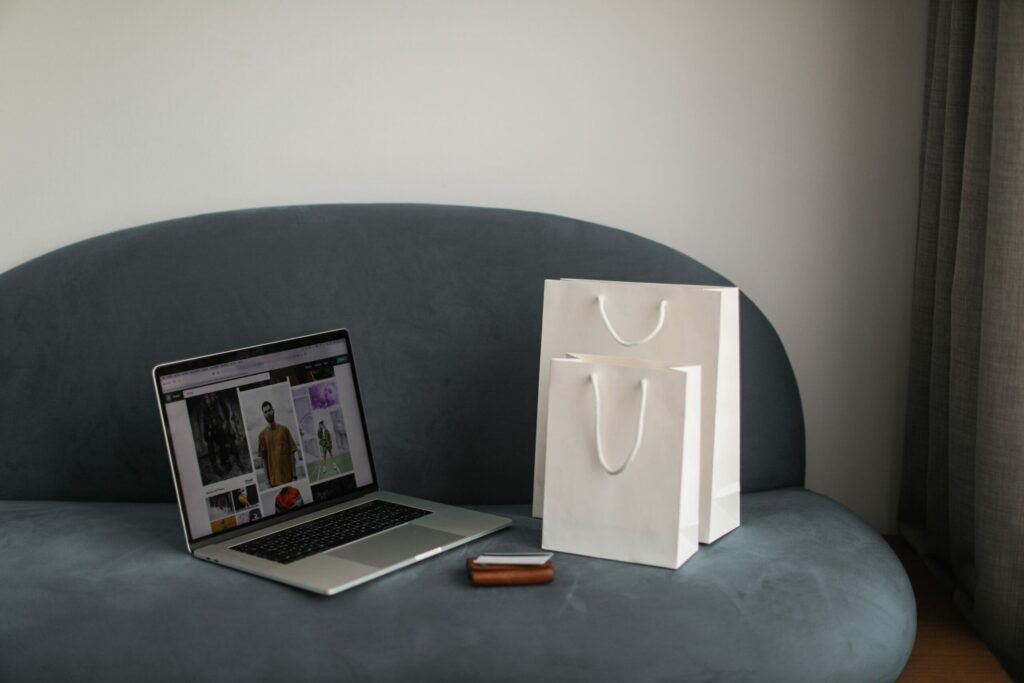
Today’s consumers see no difference between online and offline channels – it’s all just shopping.
The lines between digital and physical retail have long blurred together, but as omnichannel shopping gives way to a new era of hybrid retail, these two worlds are coalescing into something new. Today’s “no-compromise shopper” expects to see the best of online and in-store shopping in every transaction – the efficiency and comfort of e-commerce with the experiential gratification of brick-and-mortar.
So, who is the no-compromise shopper and what expectations do they bring to the hybrid shopping experience within the fashion and beauty sector? Here are five characteristics to look out for:
1. Values physicality and tactility in all shopping environments
The ability to physically experience an item – for example, to pick up a garment, feel the quality of its fabric and try it on for size – is a key factor when it comes to driving purchase decisions. In fact, being able to see, touch or try products is the most commonly cited reason why shoppers say they enjoy shopping in person.1 Shoppers now expect innovative ways to experience an item’s look and feel before purchase, even when shopping online. AR try-on tools are partially fulfilling this demand, and with research into haptic technology well underway, one day, shoppers will be able to feel items through their devices too. Autonomous sensory meridian response (ASMR) – a tingling sensation induced by certain sounds and visual triggers – is already being employed by Gen Z beauty brands to create richer and more sensorially stimulating online brand experiences.
2. Expects tech-enabled customer service
The no-compromise shopper values customer service that combines speed and convenience of technology with the irreplaceable quality of the human touch. Many brands across beauty and fashion have enabled online shoppers to connect with store associates via video call and messaging to enhance their e-commerce experiences. Meanwhile, in-store, tech touchpoints serve as an auxiliary to human assistance. QR codes are appearing on store shelves as a way for users to scan and learn more about a product, read reviews or unlock product deals. And with 65% of consumers reporting that consultations from robotic shop assistants would encourage them to revisit a shop, there’s an opportunity for retailers to consider how to leverage tech assistants to enhance in-store customer service.2 For example, a number of retailers are increasingly leaning on robots to hand out product samples and point customers in the direction of products they’re looking for.
3. Wants to experience products in a hyperpersonalised way
The no-compromise consumer expects a shopping experience that is personalised to them, whether they’re shopping online or in-store. In addition to strong product recommendations and personalised discounts, there’s an appetite for digital solutions that tailor products to individual consumer needs – whether that’s their skin tone or body shape. For example, one UK-based beauty brand leverages AI-driven skin tone analysis to offer customers bespoke make-up perfectly matched to their skin tone. AR try-on tools are also helpful in giving people a greater idea of how products complement items they already own. An Italian fashion house, for instance, is making use of virtual fitting rooms to let customers try on prospective clothing purchases with outfits already in their wardrobe.
4. Expects to discover brands in entertaining and unexpected ways
In a saturated online environment, standing out to the no-compromise shopper means making brand discovery an interactive process. The development of the metaverse will provide a ripe opportunity for brands to engage consumers in ways that rely less on passive scrolling and more on inviting them to step into immersive brand worlds. In fact, 65% of consumers say they’d be interested in exploring products in an entertainment format (e.g. through playing a video game).3 One Japanese cosmetics brand created a virtual world for its customers to inhabit, watch behind-the-scenes brand content and connect with other members of the fan community.
5. Appreciates the social aspect of shopping both online and in real life
Shopping has historically been a social experience, but the widespread adoption of e-commerce has seen the experiential side of shopping become somewhat diluted. This doesn’t have to be the case – through the embrace of digital solutions and innovative store design, brands can restore the social side of shopping. Take, for instance, the rise of livestream shopping events, which allow people to shop alongside an online community of celebrities, influencers and fellow fans. Similarly, one US beauty brand created an immersive online environment that allowed customers to shop with friends, interacting with each other and products just as they might in a multiplayer video game. And when it comes to shopping in real life, there’s an opportunity for brands to create an in-store environment that facilitates moments of social connection. Numerous leading fashion houses have begun to incorporate restaurants and social lounges into their flagship stores throughout the world, and one Italian fashion brand hosts music events and workshops in the courtyard of their flagship store in Paris.
Learn more about the future of hybrid retail in the full Facebook IQ Industry Perspectives Report.
Written by Facebook
Link to Original Post:https://www.facebook.com/business/news/insights/no-compromise-fashion-beauty-shopper